
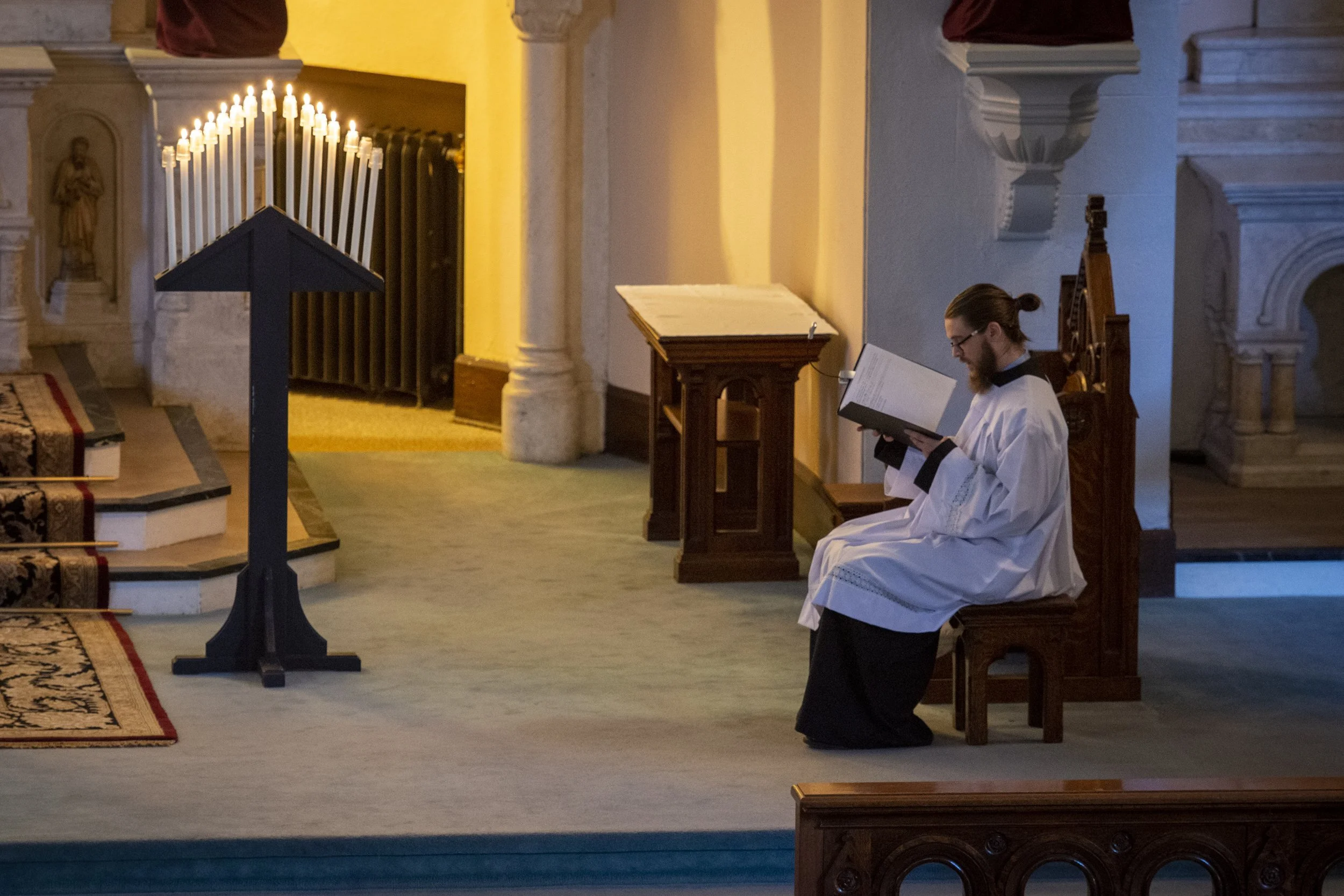
Tenebrae is a deeply revered service in the liturgical life of the Catholic Church, traditionally observed during Holy Week and the days leading up to Easter. This ancient practice involves the celebration of Matins and Lauds, two of the canonical hours within the Divine Office, which structure the daily rhythm of prayer for the Church.
Matins, typically celebrated in the early hours of the morning, encompasses a series of psalms, readings, and prayers that reflect on the spiritual journey and the events of the Passion. Lauds follows, celebrated at dawn, and serves as a morning prayer where the faithful offer praise and thanksgiving for the new day, drawing from the same themes of penance and anticipation. These hours are often prayed in anticipation of the coming day, meaning on the evening of Good Friday, we will pray Matins and Lauds of Holy Saturday.
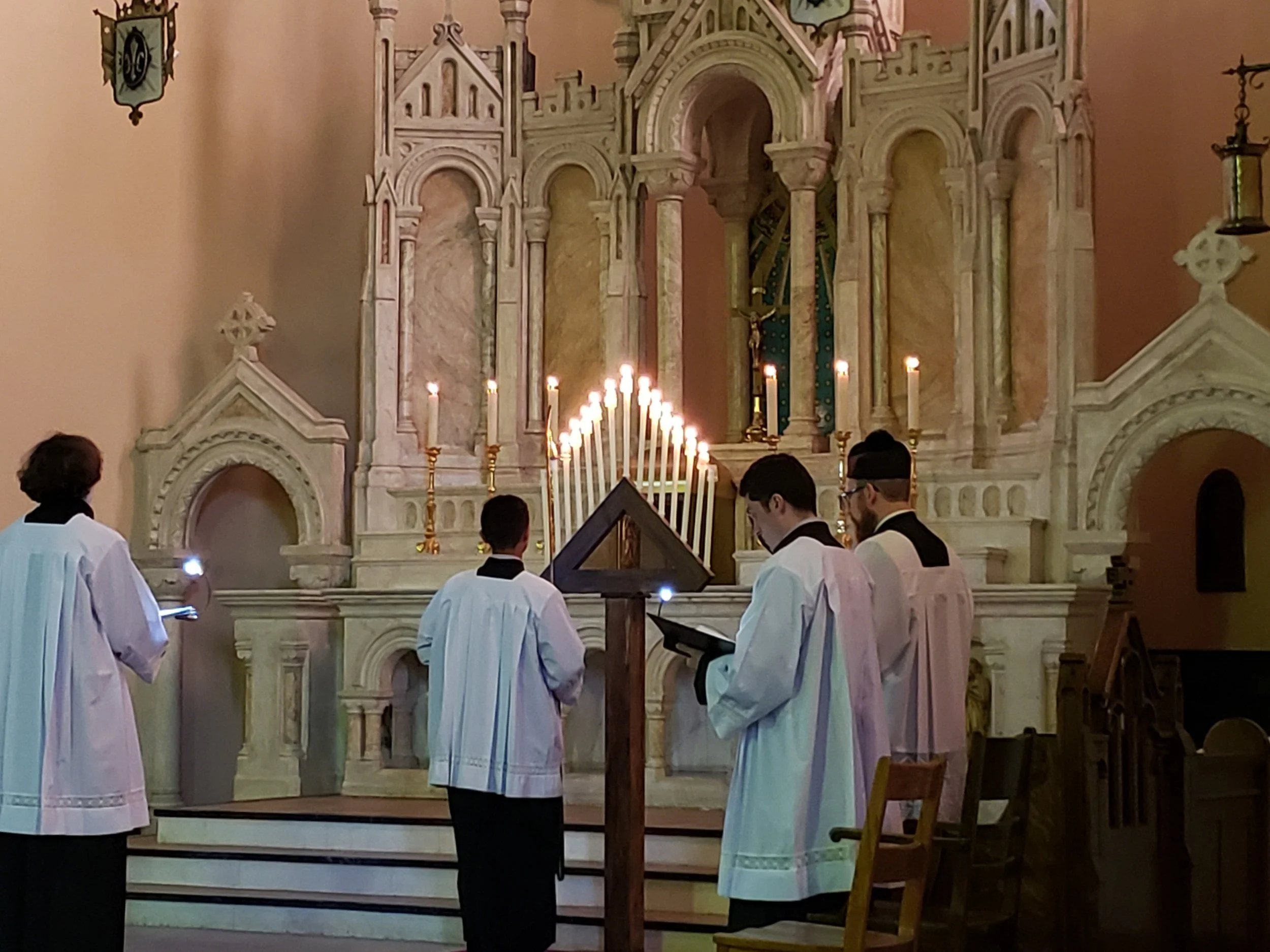
The history of the Tenebrae service dates back to the early centuries of Christianity, with its roots anchored in the monastic tradition. Initially, it was a service of mourning for the loss of Christ, featuring the gradual extinguishing of candles symbolizing the gradual abandonment of Jesus by His apostles and followers. Over centuries, this unique service has evolved, yet it continues to maintain its solemnity and profound emotion. It serves as a powerful reminder of the darkness before the light of Christ's resurrection.
Attending the Tenebrae service can be a deeply spiritual experience, allowing individuals to connect with the Passion of Christ on a personal level. It invites participants to engage in a journey through darkness, culminating in the hope of resurrection and redemption. This service encourages a mindset of introspection, fostering an appreciation for the sacrifice made by Christ and inviting reflection on one’s own journey of faith.
For those wishing to participate in the Tenebrae service, we include here resources in the form of booklet guides.